
Don't Get Left in the Cold: A Business Owner's Guide to Commercial Snow Removal in London, Ontario
Another winter in The Forest City is on its way, and with it comes the inevitable challenge of snow and ice. For business owners and property managers, a heavy snowfall isn't just an inconvenience—it's a significant operational risk. Unplowed parking lots, icy walkways, and blocked entrances can lead to lost revenue, frustrated customers, and most importantly, serious safety hazards. Proactive and professional snow and ice management isn't a luxury; it's an essential part of keeping your business running smoothly and safely through the unpredictable London winter. This guide will walk you through the key strategies for effective commercial snow removal and deicing, helping you protect your property, your people, and your bottom line.

Beyond the Shovel: Understanding Your Winter Weather Liability
For a commercial property, the responsibility for snow and ice extends far beyond simple aesthetics. In Ontario, property owners have a legal duty of care to ensure their premises are reasonably safe for employees, customers, and visitors. A slip-and-fall incident on an icy patch can quickly escalate into a costly liability claim, impacting your insurance premiums and your business's reputation.
Beyond the risk of accidents, municipal bylaws in London dictate standards for clearing snow and ice from sidewalks adjacent to commercial properties. Failure to comply can result in fines. The true cost of inadequate snow management, however, is often measured in business disruption. If customers can't access your parking lot or employees can't get to the building safely, your operations grind to a halt. A reliable commercial snow removal plan is a critical investment in risk management and business continuity.
Proactive vs. Reactive: The Science of Effective Deicing
Waiting for ice to form before you treat it is a losing battle. A modern, strategic approach focuses on proactive anti-icing and deicing techniques to prevent hazardous conditions before they start. This is far more effective and efficient than trying to melt thick layers of established ice.
Key Deicing Strategies:
- Anti-Icing with Liquid Brine: Applying a liquid salt brine to surfaces before a storm begins prevents snow and ice from bonding to the pavement. This makes plowing more effective and significantly reduces the amount of rock salt needed later.
- Strategic Salting: Using calibrated equipment ensures an even and effective application of rock salt. Over-salting is not only wasteful and environmentally damaging but can also harm your concrete and landscaping over time.
- Eco-Friendly Alternatives: For sensitive areas or clients with sustainability priorities, there are alternative deicing products available that are less corrosive and gentler on the environment.
A professional deicing service understands the science behind ice management. They monitor weather forecasts closely, understand temperature-specific product effectiveness, and deploy treatments at the optimal time to keep your property safe and accessible.
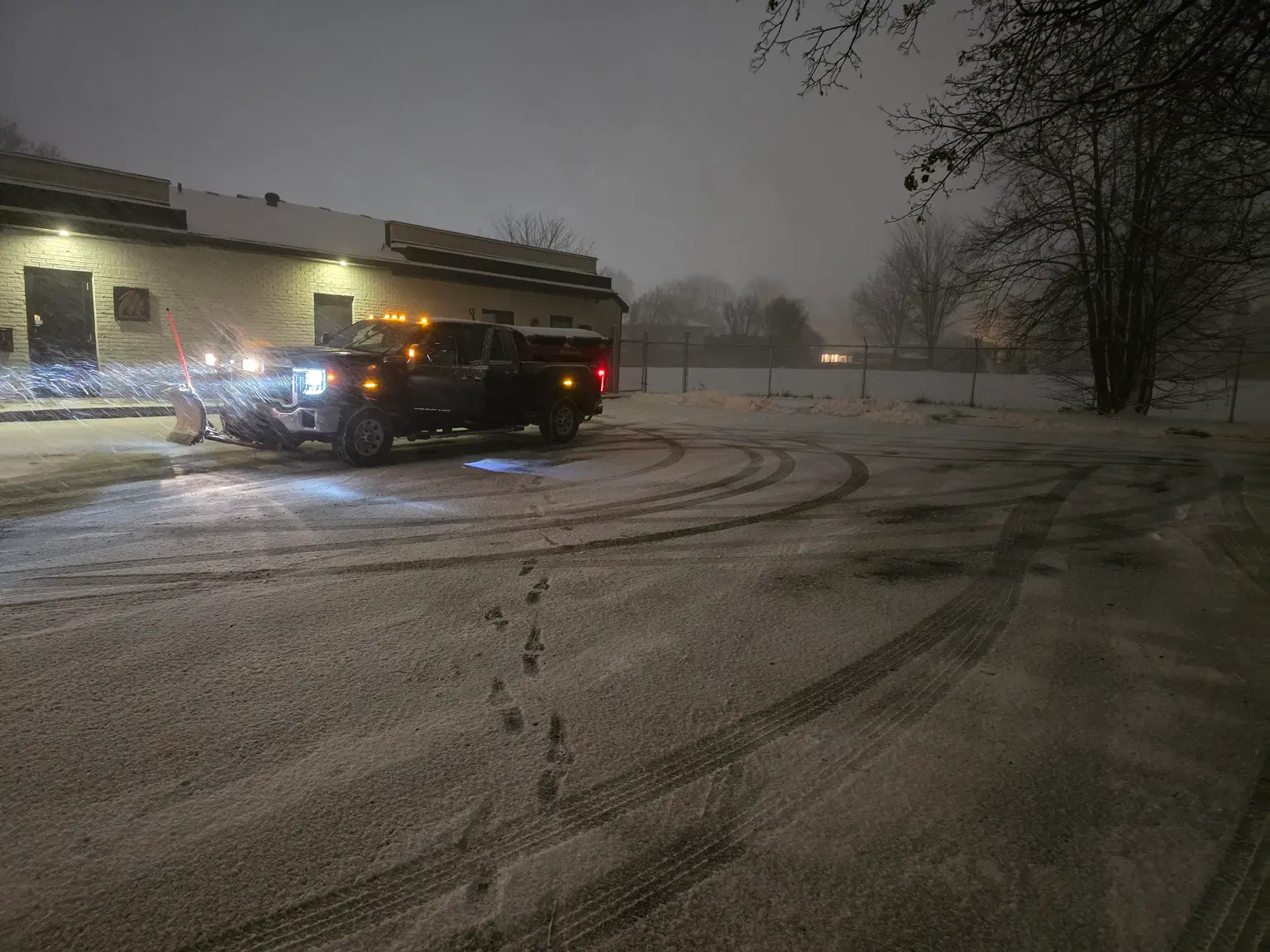
What to Look for in a Commercial Snow Removal Contract
Choosing the right snow removal partner is crucial. Not all services are created equal, and the details of your agreement will determine the level of service and protection you receive. A comprehensive maintenance contract should be transparent and tailored to your property's specific needs.
Essential Elements of a Strong Contract:
- Clear Service Triggers: The contract should specify exactly when service begins. Is it at a 2cm accumulation? 5cm? Is there a zero-tolerance policy for ice? These details should be clearly defined.
- Scope of Work: Does the service include parking lots, loading docks, entranceways, and sidewalks? The contract must explicitly list all areas to be cleared.
- Type of Equipment: A professional contractor will have a fleet of reliable, well-maintained equipment, from heavy-duty plows and loaders for large lots to smaller machines for tight spaces and sidewalks.
- Communication Plan: How will the contractor communicate with you before, during, and after a storm? A clear communication protocol ensures you're always aware of the status of your property.
- Insurance and Licensing: Never hire a contractor who cannot provide proof of adequate liability insurance and WSIB coverage. This protects you from any potential claims or on-site accidents.
Asking these questions upfront ensures you partner with a reliable company committed to professional service and transparent communication.
The Hoffman Advantage: Your Partner for a Safe Winter
At Hoffman Maintenance & Contracting, we understand that commercial snow and ice management is about more than just pushing snow. It's about providing peace of mind. We combine proactive strategies, reliable equipment, and a dedicated team to ensure your commercial property remains safe and operational, no matter what a London winter throws at us.
Our approach is built on reliability and professionalism. We offer customized snow removal and deicing plans tailored to the unique layout and traffic patterns of your property. From retail plazas and industrial lots to office buildings and multi-unit residential complexes, we have the expertise to manage winter weather effectively.
Don't let snow and ice put your business on hold. A proactive plan is your best defense against liability and disruption. Let us handle the winter weather, so you can focus on running your business.
Ready to secure a reliable snow and ice management plan for your London property? Contact us today for a free, no-obligation consultation and quote.