
Navigating Landscaping Permits for Forest City Homeowners
Transforming your backyard into a personal oasis is an exciting journey. With the recent shift toward hybrid work, more homeowners are looking to create multi-functional outdoor living rooms where they can relax, entertain, and enjoy nature. However, before the first shovel hits the dirt, there is a crucial step that many people overlook: navigating the local municipal bylaws and securing the right permits.
Here in London, the rules surrounding outdoor construction are designed to ensure safety, manage stormwater runoff, and maintain the aesthetic harmony of our neighborhoods. While it might be tempting to skip the paperwork—or hire an unlicensed operator who promises to do the job cheaper and faster—ignoring these regulations can lead to costly fines, neighbor disputes, or even being forced to tear down your newly built structure.
Understanding what requires a permit and what doesn't is the foundation of a successful landscaping project. Let's break down the essential regulations you need to know before upgrading your property, so you can build with confidence and peace of mind.
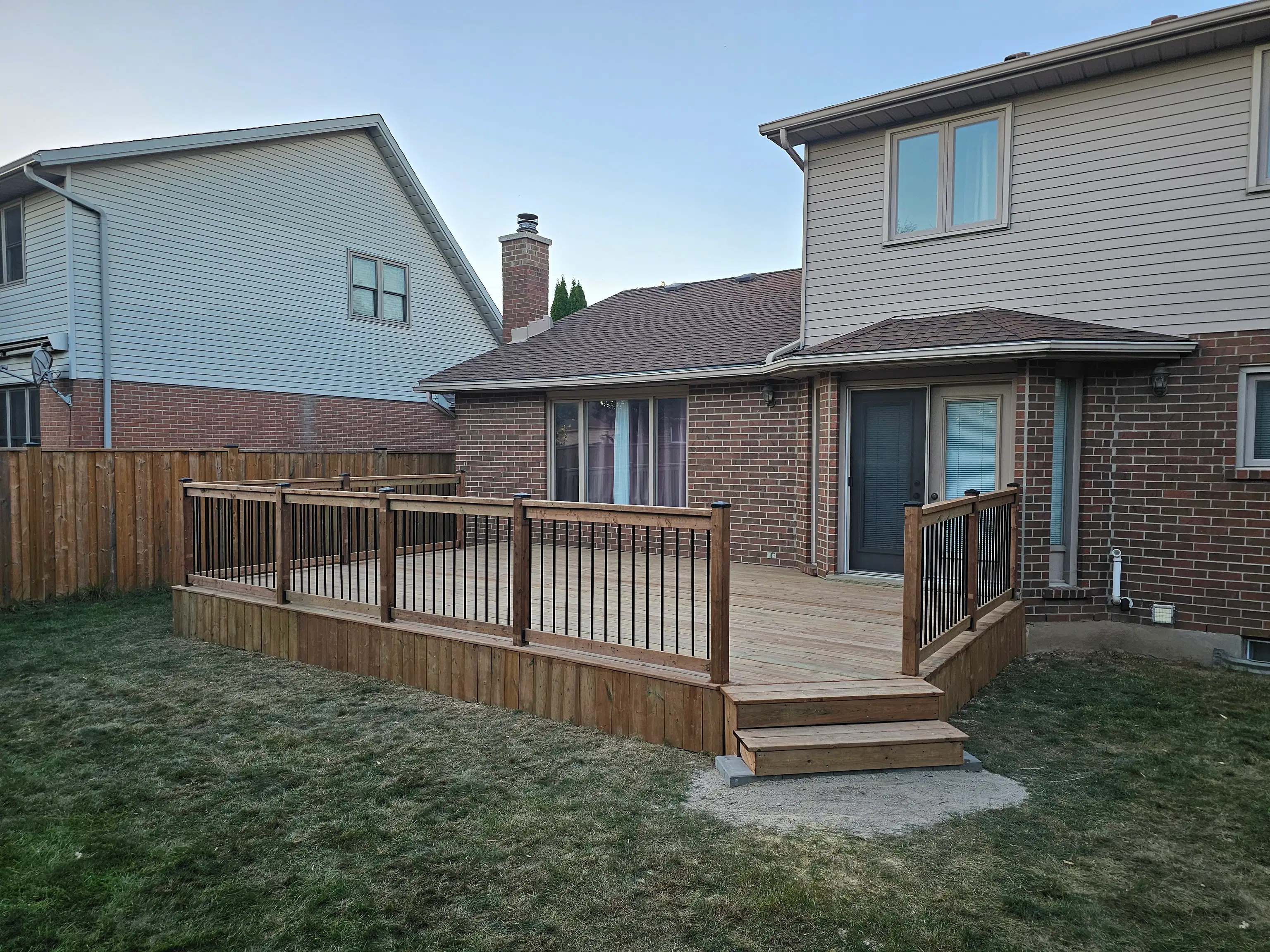
Deck Construction Safety Standards and Permits
A well-designed deck is the cornerstone of any great outdoor living space, seamlessly connecting your home's interior with the outdoors. Whether you are envisioning a small platform for your barbecue or an expansive, multi-level entertainment area for your contemporary Masonville home, you need to be aware of deck construction safety standards and permits.
Generally, a building permit is required if your deck is more than 24 inches (60 centimeters) above the ground at any point, if it will eventually support a roof structure, or if it is attached directly to your house. These regulations exist because elevated structures require proper footings to prevent shifting, especially during our freeze-thaw cycles.
When you invest in professional deck installation, your contractor will ensure that the structural integrity meets all local building codes. This includes proper joist spacing, secure ledger board attachments, and compliant railing heights. A permitted, code-compliant deck not only keeps your family and guests safe but also adds legitimate, appraisable value to your property when it comes time to sell.
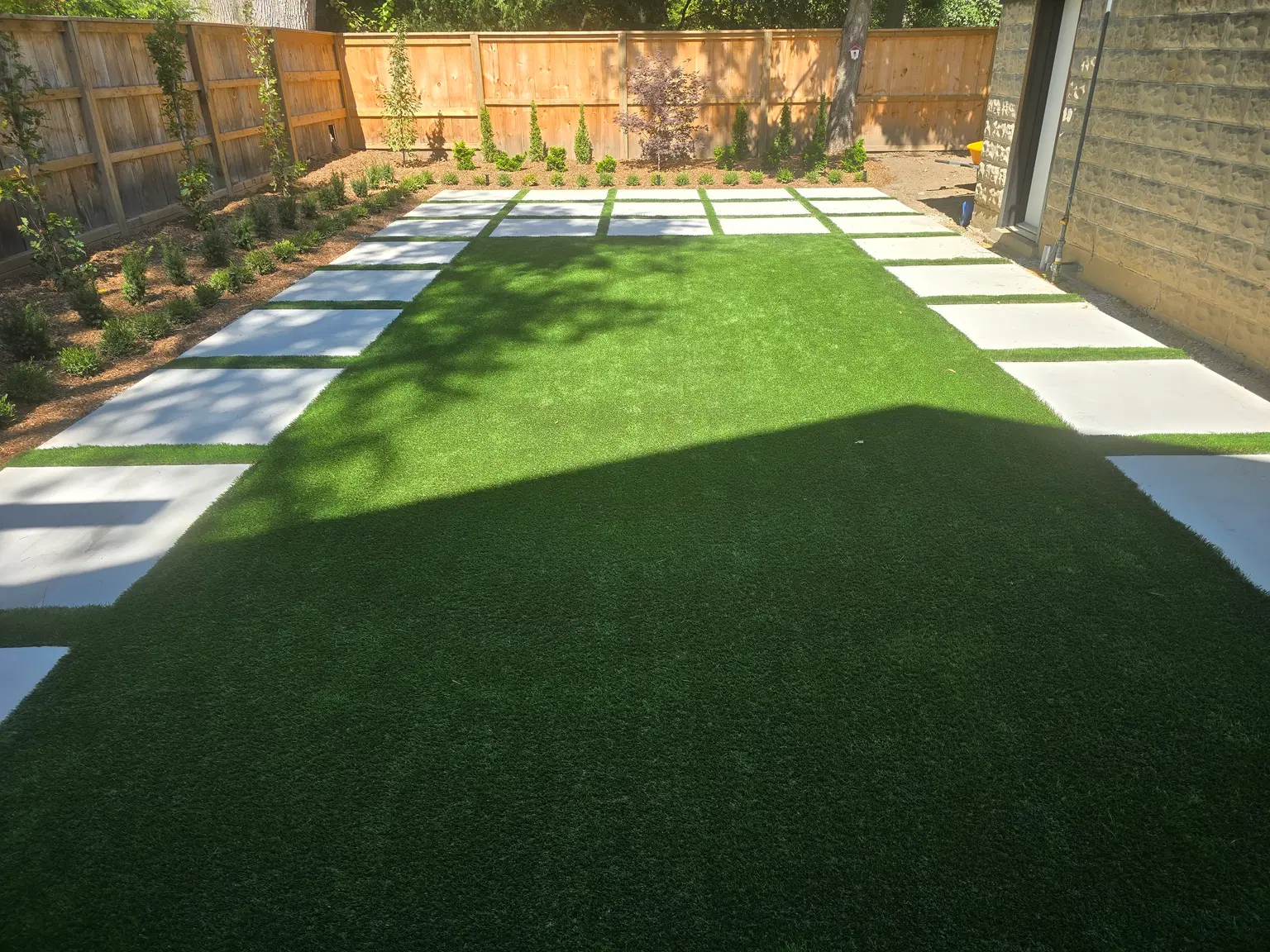
When is a Permit Required for a Retaining Wall?
Managing the heavy London clay soil can be a challenge, particularly when it comes to backyard drainage and pooling water. For properties with sloped yards—such as those found in the hilly terrain of Byron—retaining walls are often the perfect solution. They prevent soil erosion, create usable flat terraces, and add a striking architectural element to your landscape.
But when is a permit required for a retaining wall? The rule of thumb typically revolves around height and location. Walls that exceed one meter (about 3 feet and 3 inches) in height usually require a building permit and must be designed by a professional engineer. This is because the lateral earth pressure exerted by wet clay soil is immense, and a failing wall can cause catastrophic damage to your property or a neighbor's yard.
Additionally, if your retaining wall is located near a property line or adjacent to a public right-of-way, stricter rules may apply regardless of the height. Opting for expert Retaining Walls installation ensures that your project includes proper drainage backfill, weeping tiles, and structural reinforcement, turning a potential drainage nightmare into a beautiful, lasting feature.
Residential Fence Height Regulations and Bylaws
Fences provide privacy, security for pets and children, and a clean backdrop for your garden beds. However, landscaping property line rules for homeowners are strict, and building a fence without understanding the local bylaws is a common pitfall.
Residential fence height regulations dictate how tall your barrier can be based on its location on your property. In most residential zones, backyard fences can be built up to 6 feet (1.83 meters) high. However, front yard fences have much lower height restrictions—often capped at 3 feet—to ensure clear sightlines for pedestrians and drivers. Corner lots have even more specific rules regarding visibility triangles at intersections.
Before beginning any Fence installation, it is also critical to establish your exact property lines. Relying on an old fence line or a neighbor's assumption can lead to encroaching on adjacent land, which often results in having to move the brand-new fence at your own expense. Furthermore, in historic neighborhoods like Old North, it is important to plan your fence line carefully to respect mature tree canopies and root systems, preserving The Forest City's natural heritage.
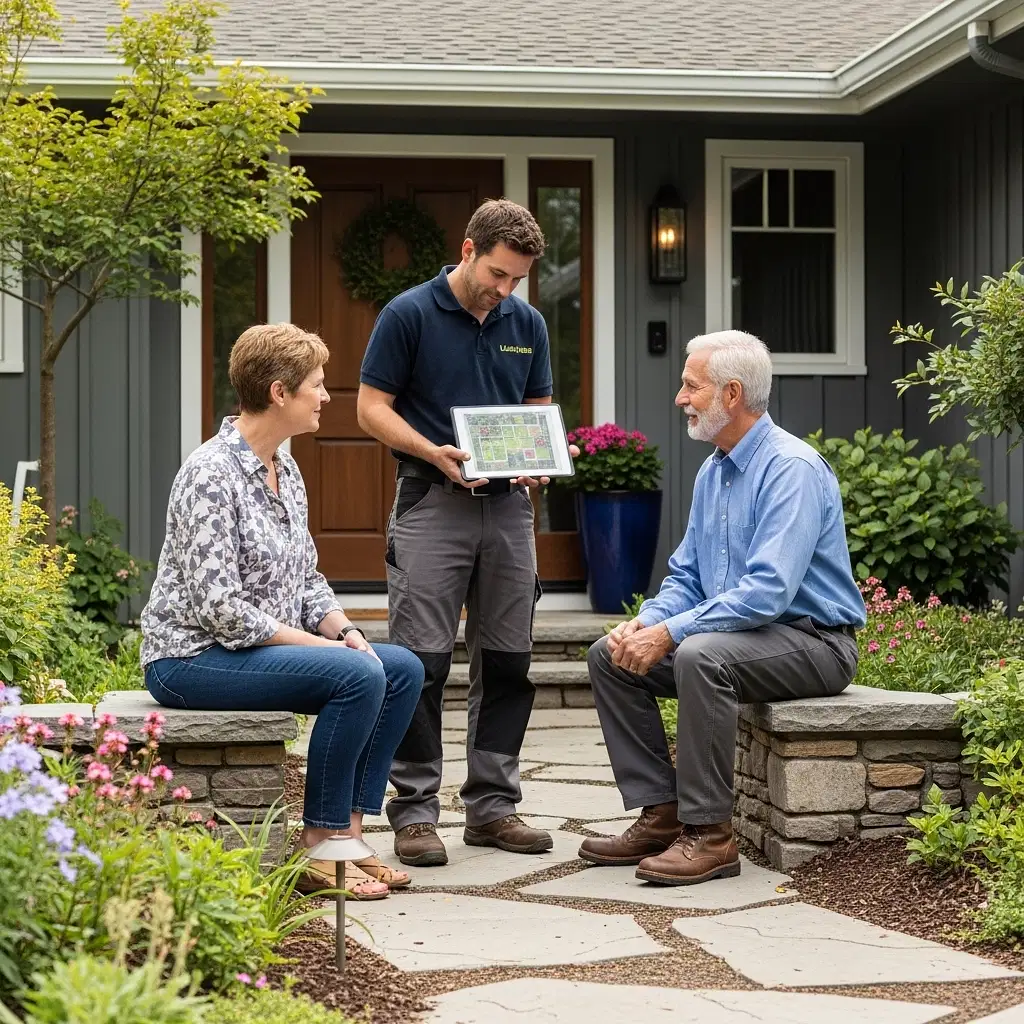
The Hidden Costs of Unlicensed Operators
One of the biggest challenges homeowners face when planning a landscaping project is sifting through quotes. It can be tempting to go with the lowest bidder, but intense competition from unlicensed, uninsured operators is a significant issue in the industry. These operators often undercut prices by skipping permits, ignoring safety standards, and operating without proper insurance.
Hiring a compliant professional is about protecting your investment and your financial security. If an uninsured worker is injured on your property, you, the homeowner, could be held liable. Professional companies provide transparent pricing, detailed written estimates, and proof of liability insurance and WSIB compliance.
Beyond the initial build, maintaining your new outdoor space requires consistent, knowledgeable care. Partnering with a reputable company for ongoing Maintenance & Contracting ensures that your property remains beautiful, safe, and fully compliant with all local regulations year-round, from summer lawn care to winter ice management.
Build Your Dream Space the Right Way
Navigating permits, bylaws, and property lines might seem overwhelming, but it doesn't have to be. By understanding the basic regulations for decks, retaining walls, and fences, you can plan your project effectively and avoid costly mistakes. The key is to work with experienced professionals who understand the local landscape, soil conditions, and municipal requirements.
If you are ready to transform your outdoor living space without the permit panic, we are here to help. At Hoffman Maintenance & Contracting, we pride ourselves on quality workmanship, transparent communication, and doing the job right the first time.
Contact us today to discuss your next project in London and let us help you bring your vision to life safely and beautifully. Visit our contact page to request a detailed, professional estimate.